King Charles Begins Caribbean Visit Amid Growing Reparations Pressure
The royal tour spans five countries as leaders push for formal acknowledgment of Britain’s role in the transatlantic slave trade.
By Owen Fitzgerald ·
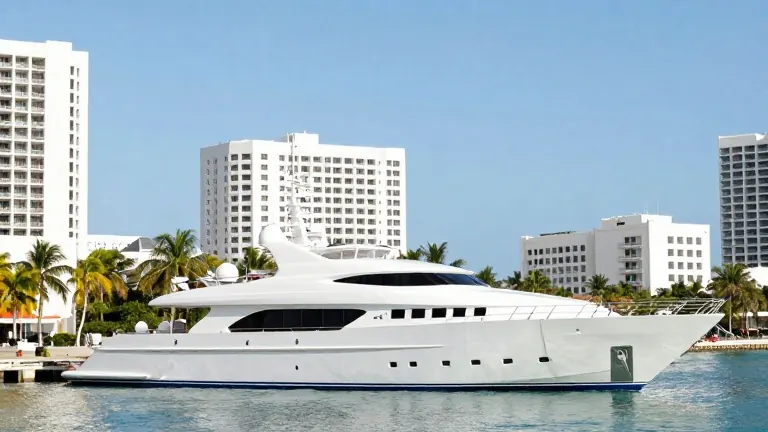
King Charles arrived in the Bahamas on Monday to begin a weeklong tour of the Caribbean, a trip that coincides with intensified demands from regional leaders for Britain to pay reparations for its historical role in the slave trade. The monarch is accompanied by Queen Camilla as he travels to Guyana and then to Antigua and Barbuda for the Commonwealth Heads of Government Meeting, the biennial summit of the organization he leads. The itinerary runs through November 4.
The issue of reparations is expected to dominate discussions at the upcoming meeting. In 2022, Charles expressed deep personal sorrow over slavery to the same group of 56 nations, most of which are former British colonies. Last month, the Caribbean Community, a bloc of 23 member and associate states including the Bahamas and Jamaica, formally stated its intention to place reparations on the meeting agenda.
Carla Barnett, Secretary-General of the Caribbean Community, described the push as fundamentally about justice. She told reporters the effort focuses on recognition and accountability, aiming to build a fair future for the descendants of those who were held as chattel by colonial owners. She emphasized that the process is about transforming the relationship between the region and its former colonizers.
Buckingham Palace confirmed that the King would address Britain’s involvement in the transatlantic slave trade during his visit. However, the palace said he would not offer a formal apology, a stance consistent with current British government policy that also rules out financial payments. A spokesperson noted that Charles has worked for years to acknowledge past wrongs and to find creative ways to address enduring inequalities.
Shirley Botchwey, Secretary-General of the Commonwealth, told Sky News last week that the time has arrived for discussions on reparations. She suggested that the compensation could take various forms, including financial aid or the return of cultural artefacts. When asked specifically about an apology from the King, who remains head of state in both the Bahamas and Antigua and Barbuda, she said it would not hurt to have one.
Historical records indicate that between the 15th and 19th centuries, at least 12.5 million Africans were abducted and sold into slavery by European merchants. Britain was the second most active European nation in this trade after Portugal, responsible for transporting an estimated 3.2 million people.
The King is scheduled to hold bilateral meetings with heads of government in each country he visits. The final stop of the tour is Antigua and Barbuda, where the Commonwealth summit opens next week.
Source: KELO · original report published
More News · Sioux Falls news · Report a business · Got a Story?