Saddam Haftar Ratifies Turkey Deal to Clear Path for Presidency
Benghazi's parliament approved a maritime agreement with Ankara in a 20-minute session, a move critics say secures Turkish support for a US-backed power-sharing deal.
By Carmen Valdez ·
Saddam Haftar moved to secure the Libyan presidency by ratifying a maritime deal with Turkey that his father’s faction had opposed for nearly seven years.
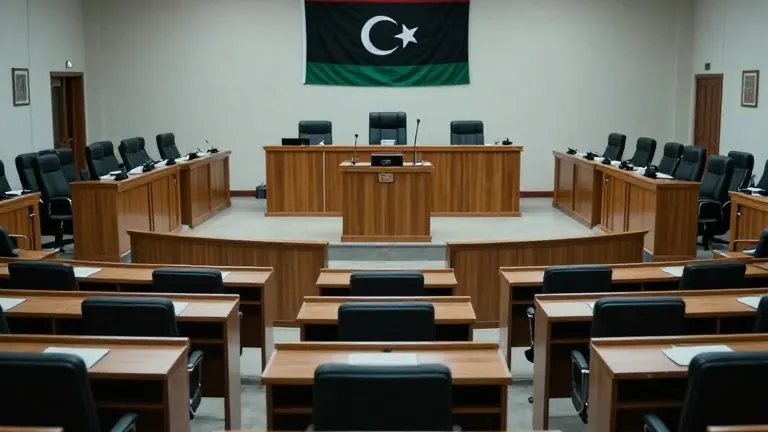
On October 20, the House of Representatives in Benghazi approved the memorandum in a single sitting that lasted approximately 20 minutes. The vote reversed years of denunciation by eastern Libya toward the agreement struck between Ankara and the government in Tripoli. The European Union, Greece, Israel, and Egypt all condemned the ratification.
The move appears designed to win the blessing of the Turkish government, which holds decisive influence over western Libya. This support is essential for a power-sharing arrangement currently being brokered by the United States. Massad Boulos, the senior adviser for Arab and African affairs to US President Donald Trump, is championing the deal. The proposal could install Saddam as Libya’s president.
The ratification followed a political shift in Benghazi two weeks earlier. The House of Representatives removed Aguila Saleh from the speaker role after he held the post for 12 years. Saleh was a principal ally of Egypt and a key obstacle to the maritime memorandum. His removal also weakened the de jure authority from which Khalifa Haftar, the military commander of eastern Libya, derives his command.
Al-Salhin Abdulnabi succeeded Saleh as speaker. Abdulnabi is a member of the Obeidat tribe and had previously chaired the Libyan-Turkish friendship committee. His appointment signals a shift in the chamber’s alignment and aims to manage tribal dynamics during the transition.
Washington will likely decide the outcome of the succession plan. Saddam is relying on the Trump administration’s interest in a Libyan deal, a stance influenced by lobbying from Turkey and the United Arab Emirates. Turkish President Recep Tayyip Erdogan’s relationship with Trump may help overcome objections from Greece, Cyprus, and Israel.
Abu Dhabi has an interest in Saddam’s success, viewing him as its most loyal client. The emirate’s support for Sudan’s Rapid Support Forces gives Saddam leverage, though cutting that support would please Ankara and Cairo but risk his relationship with the UAE. Egypt remains a variable, as Cairo has aligned with Turkey on Sudan and the Red Sea. Khaled Haftar, Saddam’s brother and chief of staff of the Libyan Arab Armed Forces, is a potential alternative candidate closer to Cairo. He publicly criticized the US initiative in April.
Source: Al Jazeera